How to Choose the Best Las Vegas Car Shippers for Reliable, Secure, and On-Time Vehicle Delivery
Arranging vehicle transportation requires careful planning, especially when your automobile needs to travel hundreds or thousands of miles. Whether you are relocating from Nevada, purchasing a vehicle from another state, or sending a car to a family member, selecting the right transportation provider can make a significant difference in your experience. A dependable shipping arrangement helps protect your vehicle, keeps scheduling organized, and reduces the complications associated with long-distance driving.
Las Vegas serves as an important connection point for transportation routes throughout the western United States and beyond. With residents, dealerships, businesses, and seasonal travelers regularly moving vehicles between states, demand for professional auto transport continues to create different service options. However, not every company offers the same level of communication, scheduling flexibility, equipment, or customer support.
Finding the right Las Vegas car shippers involves looking beyond attractive advertisements and inexpensive estimates. Customers should understand how transportation providers operate, verify their credentials, compare available services, and review the terms of each agreement. This approach makes it easier to identify a suitable company and arrange vehicle delivery with greater confidence.
Why Choosing the Right Auto Transport Company Matters
Vehicle transportation involves more than loading an automobile onto a trailer and sending it toward a destination. The process requires coordination between customers, transportation companies, dispatchers, and professional drivers. Pickup arrangements, vehicle inspections, route planning, insurance coverage, and delivery communication all contribute to the overall experience.
Selecting an unsuitable provider can create unnecessary problems. Unclear pricing, unrealistic delivery promises, poor communication, and insufficient documentation may lead to frustration during an already busy relocation or purchasing process.
A qualified transportation provider should explain its services clearly and establish realistic expectations before accepting a booking. Customers should know who is responsible for transporting the automobile, how the vehicle will be handled, what insurance arrangements apply, and how potential delays or damage claims are addressed.
Vehicle Protection Throughout the Journey
Every automobile has different transportation requirements. A standard sedan may be suitable for an open carrier, while an expensive sports car or vintage vehicle might benefit from enclosed transportation. Choosing a provider with appropriate equipment helps ensure that the shipping arrangement matches the automobile's specific needs.
Better Scheduling and Coordination
Vehicle delivery often needs to fit around moving dates, work commitments, dealership appointments, and personal travel. Experienced transportation providers can explain available pickup windows and estimated delivery periods, helping customers coordinate their plans more effectively.
Clearer Pricing and Fewer Surprises
A professional shipping arrangement should include understandable pricing information. Reviewing the complete quote, payment requirements, and possible additional charges before booking helps customers avoid unexpected financial complications.
1. Verify the Company's Registration and Business Credentials
Before requesting a booking, investigate the transportation company's operating status and regulatory information. Interstate vehicle transportation in the United States is subject to federal requirements, and verifying the appropriate credentials is an important part of selecting a provider.
The Federal Motor Carrier Safety Administration (FMCSA) maintains information about registered motor carriers and transportation brokers. Customers can use its official resources to investigate a company's registration and operating information.
Understand the Difference Between Brokers and Carriers
Auto transport businesses generally operate as either brokers or motor carriers, although some companies perform both functions.
- Auto transport brokers: Coordinate shipments by connecting customers with authorized transportation carriers. They help arrange pickup and delivery without necessarily operating the trucks themselves.
- Motor carriers: Physically transport vehicles using their own transportation equipment and qualified drivers or authorized operating arrangements.
Neither business model is automatically better than the other. What matters is understanding which company you are hiring, who will physically transport your vehicle, and which party is responsible for handling different parts of the shipment.
Check the Company's Operating Information
Ask for the company's legal business name and applicable USDOT or MC number, where relevant. Verify the information through official FMCSA resources rather than relying exclusively on documents or website claims supplied by the business.
Customers should also confirm that the company's operating authority and insurance information are appropriate for its role in the transportation arrangement.
2. Compare Open and Enclosed Vehicle Shipping Options
One of the most important decisions involves selecting the right transportation method. The two common options are open and enclosed auto transport. Both can serve customers effectively, but their protection levels, availability, and pricing differ.
Open Auto Transport for Everyday Vehicles
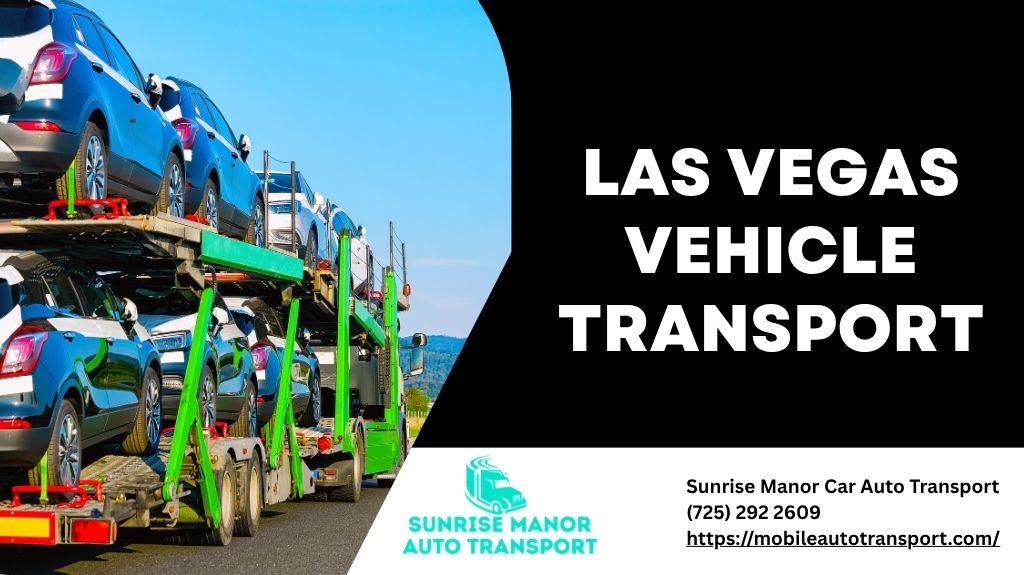
Open transport involves placing vehicles on an uncovered multi-car trailer. This is a widely used transportation method for moving automobiles between dealerships, auctions, distribution facilities, and individual customers.
Its popularity comes from broad availability and generally lower pricing compared with enclosed shipping. Owners of standard cars, family SUVs, and pickup trucks frequently choose this option when arranging interstate delivery.
Vehicles transported on open trailers are exposed to ordinary outdoor conditions, including rain, dust, and road debris. However, professional carriers use appropriate loading and securing procedures to move automobiles safely.
Enclosed Transport for Additional Protection
Enclosed carriers transport automobiles inside covered trailers, helping protect them from outside exposure during transit. This option is particularly useful for luxury vehicles, classic automobiles, exotic sports cars, and collectible models.
Because enclosed trailers have specialized equipment and typically carry fewer vehicles, their transportation costs are usually higher. Customers should compare the additional protection with the automobile's value and individual transportation requirements.
Which Shipping Method Should You Choose?
The best option depends on your budget, vehicle condition, value, and protection preferences. Open transport is a practical choice for most everyday automobiles, while enclosed shipping may be worth the additional investment for vehicles requiring specialized handling.
Discuss the available options with prospective providers and ask what equipment they use for your particular vehicle.
3. Evaluate Insurance Coverage and Damage Protection
Insurance is an essential consideration when hiring an automobile transportation company. Although professional carriers take precautions to protect vehicles during loading, transit, and unloading, unexpected incidents can still occur.
Before confirming a shipment, ask the company to explain its cargo insurance arrangements and provide relevant documentation. Do not assume that every type of damage is automatically covered simply because a provider advertises insured transportation.
Questions to Ask About Coverage
- What cargo insurance coverage applies while the vehicle is being transported?
- What are the policy limits and applicable deductibles?
- Are there exclusions involving pre-existing damage, mechanical problems, or personal belongings?
- Who should be contacted if damage occurs during transportation?
- What documentation is required to submit a claim?
It is also important to understand the distinction between a carrier's cargo insurance and your personal automobile insurance. Coverage under an existing personal policy may differ from the protection provided by the transportation company.
Request written clarification rather than relying on general verbal assurances. Understanding the applicable terms before pickup can help prevent disagreements later.
4. Examine Customer Reviews and Reputation
Online reviews can help reveal how a transportation company handles real customer experiences. While individual complaints or positive comments should not determine your decision alone, consistent feedback can identify patterns worth considering.
When researching Las Vegas car shippers, examine customer experiences across independent review platforms and business directories. Pay attention to how customers describe communication, scheduling, pricing accuracy, vehicle handling, and delivery coordination.
Look for Consistent Service Quality
A provider with a history of positive experiences may demonstrate better organizational practices than a business with frequent unresolved complaints. Look for specific descriptions of completed shipments rather than relying entirely on brief five-star ratings.
Notice How Complaints Are Handled
Even established transportation businesses can encounter scheduling problems or customer concerns. Their responses can reveal how they approach accountability and problem resolution.
Professional responses should address concerns respectfully, explain the company's position, and offer reasonable steps toward resolving the issue. Repeated unanswered complaints about billing, unexpected charges, or communication deserve additional attention.
Be Careful With Unusually Perfect Feedback
Large collections of vague reviews, repetitive wording, or suspicious review patterns should encourage further investigation. Compare feedback across multiple sources and look for detailed experiences that describe the actual transportation process.
5. Request Multiple Quotes and Compare the Complete Cost
Transportation pricing varies depending on several factors, so collecting multiple estimates is a sensible way to evaluate the available market. However, the lowest advertised amount does not always represent the best overall value.
Ask each provider to prepare a quote based on the same vehicle details, pickup location, destination, transportation method, and preferred scheduling window. This creates a more meaningful comparison.
What Influences Vehicle Shipping Prices?
- Shipping distance: Longer transportation routes generally require more fuel, driver time, and logistical coordination.
- Vehicle dimensions: Larger automobiles and oversized SUVs may occupy more trailer space and cost more to transport.
- Carrier type: Enclosed transportation usually costs more than standard open-carrier service.
- Route demand: Popular transportation corridors may offer different pricing and carrier availability compared with less frequently serviced locations.
- Seasonal conditions: Relocation activity, weather, and changes in shipping demand can influence transportation rates.
- Vehicle operability: Non-running automobiles may require specialized loading equipment or additional handling.
- Pickup accessibility: Remote locations or restricted residential areas can require alternative collection arrangements.
Understand Every Charge Before Booking
Ask whether the quoted amount includes the complete transportation service or whether certain costs may be added later. Clarify deposits, payment methods, cancellation fees, expedited scheduling charges, and other potential expenses.
Customers should also ask whether the quoted price is guaranteed or subject to change based on carrier availability. A transparent estimate makes it easier to plan your budget and compare competing providers fairly.
6. Assess Pickup and Delivery Flexibility
Convenience is another important factor when comparing vehicle transportation providers. Some customers prefer collection directly from their homes, while others are comfortable meeting a carrier at an accessible commercial location.
Door-to-Door Transportation
Door-to-door shipping aims to collect the vehicle near the customer's preferred pickup address and deliver it close to the destination. This arrangement reduces the need to drive to a distant terminal.
However, large transport trailers cannot access every residential street. Low clearance, narrow roads, restricted parking, traffic regulations, and limited turning space may require an alternative meeting point.
Terminal-to-Terminal Transportation
Some transportation arrangements involve dropping off and collecting vehicles at designated facilities or storage locations. Depending on the provider, this option may offer an alternative when direct residential access is unavailable.
Before choosing terminal-based service, confirm operating hours, storage policies, collection requirements, and any associated fees.
Coordinate Your Preferred Schedule
Ask about pickup availability and estimated delivery timelines before committing. If your relocation depends on a particular date, explain your scheduling requirements early and determine whether the provider can accommodate them.
7. Examine the Company's Communication and Customer Support
Good communication can make vehicle transportation significantly easier. From the initial estimate to final delivery, customers should have access to clear information about their shipment and know whom to contact when questions arise.
During the quotation process, evaluate how promptly the company responds and whether its representatives provide useful explanations. A professional provider should be willing to discuss pricing, equipment, scheduling, insurance, and contractual terms without creating unnecessary confusion.
Important Communication Questions
- Will I receive confirmation when a carrier is assigned?
- How will I receive pickup and delivery updates?
- Will the driver contact me before arriving?
- Who handles scheduling changes or transportation delays?
- Is customer support available throughout the shipment?
Clear communication is especially important for cross-country deliveries, where unexpected traffic, weather, or route changes can affect estimated arrival times.
8. Review the Transportation Agreement Carefully
Before signing or accepting a booking, read the transportation agreement from beginning to end. This document explains the responsibilities of the parties involved and establishes important terms governing the shipment.
Although contracts differ between companies, customers should pay particular attention to the following details:
- Pickup and delivery locations.
- Vehicle information and operating condition.
- Selected transportation method.
- Estimated pickup and delivery windows.
- Quoted transportation price and payment requirements.
- Cancellation and refund policies.
- Insurance responsibilities and limitations.
- Procedures for documenting and reporting vehicle damage.
Do not sign an agreement containing unclear charges or incomplete information. Request corrections or written clarification whenever a term is confusing.
9. Understand the Importance of the Bill of Lading
The Bill of Lading is one of the most Sunrise Manor Car Auto Transport Las Vegas vehicle shipping important documents in the vehicle transportation process. It serves as a shipment record and commonly includes details about the automobile, pickup and delivery information, and its inspected condition.
At pickup, the driver generally records existing exterior damage, scratches, dents, and other visible conditions. Customers should participate in the inspection and ensure the report accurately reflects the vehicle's appearance.
Before the Vehicle Leaves Las Vegas
Walk around the automobile with the driver and review the inspection report. Take photographs from multiple angles, including close-up images of existing imperfections. Keep a copy of the signed documentation for your records.
When the Vehicle Reaches Its Destination
Repeat the inspection before signing the final delivery paperwork. Compare the automobile's condition with the original report and your photographs. If new damage is discovered, document it clearly on the delivery paperwork and notify the carrier according to the applicable claims procedure.
Keeping accurate records throughout transportation can make the resolution process more straightforward if a problem arises.
10. Prepare Your Automobile Before the Carrier Arrives
Vehicle preparation is a responsibility customers should not overlook. Taking care of a few practical details before pickup can prevent delays and help ensure a smooth handover.
Remove Personal Items
Take out luggage, electronics, valuables, important documents, and other personal belongings. Most carriers restrict personal property inside transported automobiles because of weight limitations and insurance considerations.
Check the Mechanical Condition
Confirm that the vehicle starts, steers, and brakes properly if it is being shipped as an operable automobile. Inform the provider about mechanical issues, fluid leaks, or battery problems before the pickup date.
Clean the Exterior
Washing the automobile makes it easier to identify scratches, dents, and existing surface damage during inspection. A clean exterior also helps produce clearer documentation photographs.
Secure Accessories
Remove detachable exterior accessories, secure loose components, fold mirrors when appropriate, and make sure windows are closed. Disable alarms to prevent unnecessary interruptions during transit.
Keep the Fuel Level Low
Many transportation companies request approximately one-quarter of a tank or less. This provides sufficient fuel for basic loading and unloading while limiting unnecessary vehicle weight. Follow your carrier's specific instructions.
11. Recognize Warning Signs When Selecting a Shipping Provider
Knowing what to avoid is just as important as identifying desirable service qualities. Certain business practices can indicate that a transportation arrangement deserves additional scrutiny.
Unusually Low Transportation Estimates
An estimate significantly below competing offers may be unrealistic or may not reflect the actual amount required to secure a carrier. Ask how the price was calculated and whether additional charges could apply later.
Pressure to Make Immediate Payments
Be cautious if a representative insists that you make an immediate payment without providing clear booking information or allowing time to review the agreement. Legitimate transportation arrangements should include understandable payment terms.
Unclear Company Identity
Businesses that avoid sharing their legal name, registration details, or transportation responsibilities should be investigated carefully. Customers deserve to know which organization is coordinating and performing their shipment.
Unrealistic Delivery Guarantees
Vehicle transportation involves variables that cannot always be controlled. Be skeptical of promises that ignore distance, carrier availability, traffic, weather, and other practical conditions.
Missing Insurance Information
A provider should be able to explain the applicable cargo insurance arrangements and identify the responsible carrier. Vague statements about complete protection without supporting details are not sufficient.
12. Why Las Vegas Is a Convenient Starting Point for Nationwide Auto Transport
Las Vegas benefits from its location in Southern Nevada, providing access to major transportation corridors connecting the Southwest with California, Arizona, Utah, and other parts of the country.
This regional connectivity supports vehicle movements for private customers, automobile dealerships, commercial businesses, and people relocating between states.
Common destinations for vehicles shipped from Las Vegas include:
- California: Los Angeles, San Diego, San Francisco, Sacramento, and surrounding communities.
- Arizona: Phoenix, Tucson, Scottsdale, and other metropolitan areas.
- Texas: Dallas, Houston, Austin, and San Antonio.
- Colorado: Denver, Colorado Springs, and nearby destinations.
- Florida: Miami, Orlando, Tampa, and Jacksonville.
- New York: New York City, Buffalo, Albany, and surrounding areas.
Route availability and transportation costs vary depending on current demand and carrier schedules. Customers should provide accurate addresses and request route-specific estimates instead of relying on general advertised rates.
13. Who Needs Professional Car Shipping Services?
Different individuals and organizations use vehicle transportation for a variety of reasons. Understanding these needs can help customers identify the service arrangement that makes the most sense for their circumstances.
People Moving to Another State
Relocating households often have limited time to manage furniture, accommodation, paperwork, and family responsibilities. Shipping an automobile separately can eliminate the need for another long-distance driving journey.
Online Car Buyers and Sellers
Digital automotive marketplaces allow buyers and sellers to complete transactions across state boundaries. Professional transportation helps connect distant customers without requiring either party to organize a personal collection trip.
Automotive Dealerships
Dealerships may need regular transportation between auctions, suppliers, inventory facilities, and customers. Organized shipping arrangements help support vehicle distribution and business operations.
Military Families and Relocating Professionals
Work assignments and military transfers sometimes involve tight reporting schedules. Vehicle transportation can help families coordinate their move while managing other travel requirements.
Owners of Specialty and Collectible Automobiles
Owners of valuable vehicles may require enclosed carriers and specialized handling. Choosing an experienced transportation provider with suitable equipment and clear insurance documentation is especially important.
14. Questions to Ask Before Hiring Las Vegas Car Shippers
Speaking directly with a transportation representative can help clarify details that may not appear in an online advertisement. Prepare a few questions before requesting a final estimate.
- Are you a licensed transportation broker, motor carrier, or both?
- Which carrier will physically transport my vehicle?
- What type of trailer is appropriate for my automobile?
- What cargo insurance coverage applies during transportation?
- Does the quoted price include all expected transportation charges?
- What is the estimated pickup window?
- How long should delivery take after pickup?
- Can you accommodate my preferred pickup and delivery locations?
- How do you document the vehicle's condition?
- What steps should I follow if damage occurs during transportation?
The answers can help you distinguish between providers offering transparent, organized services and businesses that leave important questions unresolved.
Frequently Asked Questions About Choosing Las Vegas Car Shippers
How do I find reliable car shippers in Las Vegas?
Start by checking registration information, reviewing customer feedback, comparing written quotes, and verifying insurance arrangements. Ask whether the company operates as a broker or carrier and request clear information about pickup, delivery, and damage documentation before booking.
How much does it cost to ship a car from Las Vegas?
Pricing depends on the destination, vehicle dimensions, transportation method, route demand, scheduling flexibility, and vehicle condition. Obtain personalized quotes using identical shipment details to compare available providers accurately.
Is door-to-door auto transport available in Las Vegas?
Many transportation providers offer door-to-door service when local road conditions permit. If a large carrier cannot access a residential street, the driver may coordinate a nearby safe and accessible pickup or delivery location.
Should I choose an auto transport broker or a direct carrier?
Both can be suitable options. Brokers coordinate shipments through transportation networks, while direct carriers physically move vehicles. Consider registration, communication, pricing transparency, insurance arrangements, and the company's ability to meet your transportation requirements.
How long does nationwide car shipping take?
Transit time varies according to the distance, carrier schedule, route conditions, weather, and delivery location. Regional shipments generally require less time than cross-country deliveries. Request separate pickup and transit estimates when booking.
Can I ship a luxury car from Las Vegas?
Yes. Many providers arrange transportation for luxury and specialty automobiles. Enclosed carriers are often preferred because they offer additional protection from outside exposure. Confirm the carrier's equipment, experience, and applicable insurance coverage before proceeding.
What happens if my vehicle arrives with new damage?
Document the damage on the delivery Bill of Lading before signing the final paperwork. Take clear photographs and notify the responsible carrier or transportation provider promptly. Follow the written claims procedure and retain all relevant inspection documents.
When should I schedule my vehicle shipment?
Planning one to two weeks ahead is a useful starting point for many standard shipments. More flexibility or additional notice may be necessary during busy seasons, for specialized vehicles, or when transporting automobiles along less common routes.
Make a Confident Decision for Your Next Vehicle Shipment
Selecting an automobile transportation provider should involve more than finding an available truck or accepting the first estimate you receive. Registration checks, customer reviews, insurance documentation, equipment suitability, and transparent pricing all contribute to a well-organized shipping experience.
For individuals and businesses arranging interstate transportation, experienced Las Vegas car shippers can help coordinate vehicle pickup and delivery across a wide range of destinations. The right service should reflect your automobile's requirements, fit your scheduling needs, and clearly explain the responsibilities involved throughout the journey.
Take time to compare transportation methods, ask specific questions, and review every booking detail before making a commitment. With proper preparation and a carefully selected provider, moving your vehicle from Las Vegas to another part of the country can become a much more manageable experience.
Contact Us:
Sunrise Manor Car Auto Transport
(725) 292 2609